
The paradigm shift in personal safety — empowering individuals to protect themselves and those around them.
Discover SELFTYIn short
SELFTY is a neuroscience-based behavioural safety programme. It reduces human error at work, on the road, and at home by changing the habits and perception mechanisms that cause accidents. No new management system. No reporting burden. Lasting results through maturity-level-oriented leadership and adult learning.
SELFTY combines the words SELF and SAFETY — a new term for the paradigm shift from compliance-first thinking to personal ownership of safe behaviour.
Its most obvious application is occupational health and safety. But the potential extends further: strategic personnel development, performance management, and culture change.
Human error drives most disruptions in the workplace — delays, rework, communication failures, lost orders, and financial setbacks that are hard to fully quantify.
Health-related damage is harder to define. Accidents don't stop at the factory gates. Injuries at work affect home life, and health issues outside work affect performance inside it. SELFTY addresses both.
SELFTY is systemic and neuroscientifically grounded. It complements the technical dimension of safety with the human dimension — and rapid advances in neuroscience continuously reveal new potential here.
In practice, SELFTY builds competencies that lead to safer behaviour through better understanding of one's own perception, processing, and reaction mechanisms.
Attention-limiting factors — hectic pace, multitasking, frustration, fatigue, routine, and substance use — are recognised and mitigated through self-organisation and personal responsibility.
SELFTY is a bottom-up approach to individual maturity. It only succeeds when a coalition of leaders simultaneously creates the top-down conditions for it to take hold.
SELFTY builds competencies that are hard for competitors to replicate. Once acquired, they shape behaviour for a lifetime — both inside and outside the workplace.
Integration happens without a dedicated management system, without formalities, without reporting, and without PowerPoint-heavy training sessions. It is an emergent development of individuals through maturity-level-oriented leadership.
Extensive use of storytelling drives lasting behavioural change through emotional engagement and autonomous decision-making — not compliance anxiety.
A framework for lasting behavioural change in high-risk environments.
Impacts work life, road traffic, and private life simultaneously.
Self-motivation for safe behaviours — without compliance paperwork.
Conscious decision-making and safer subconscious reactions to cut workplace accidents and operational losses.
Greater personnel availability, fewer lost working days.
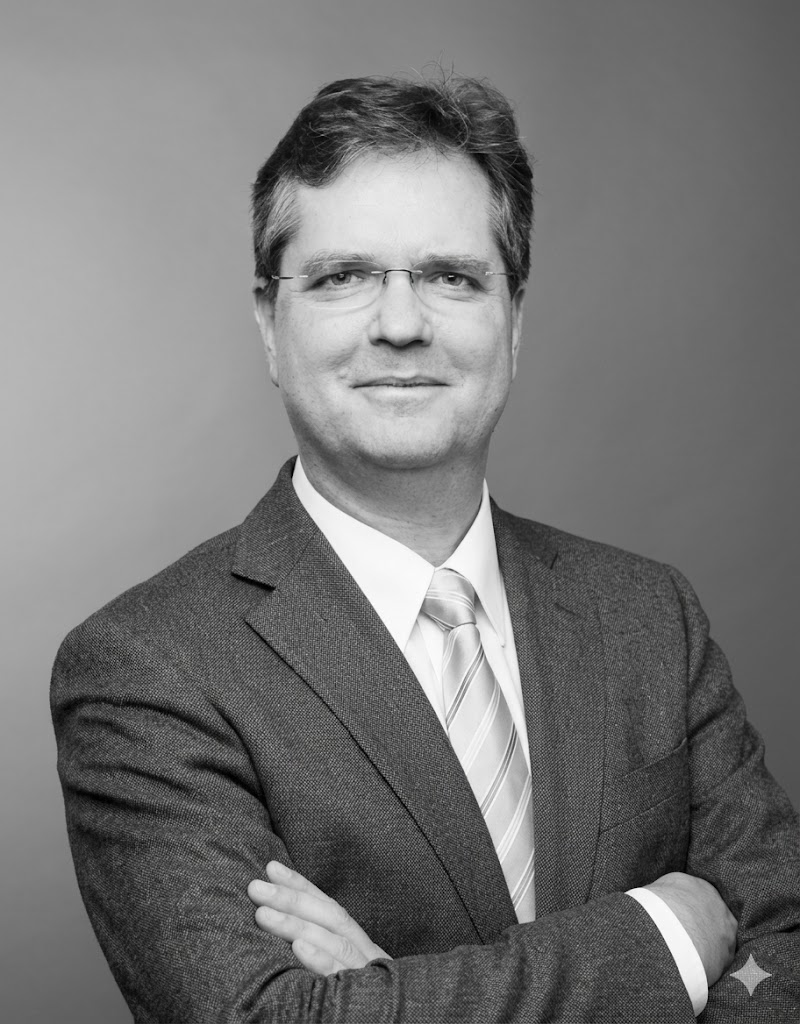
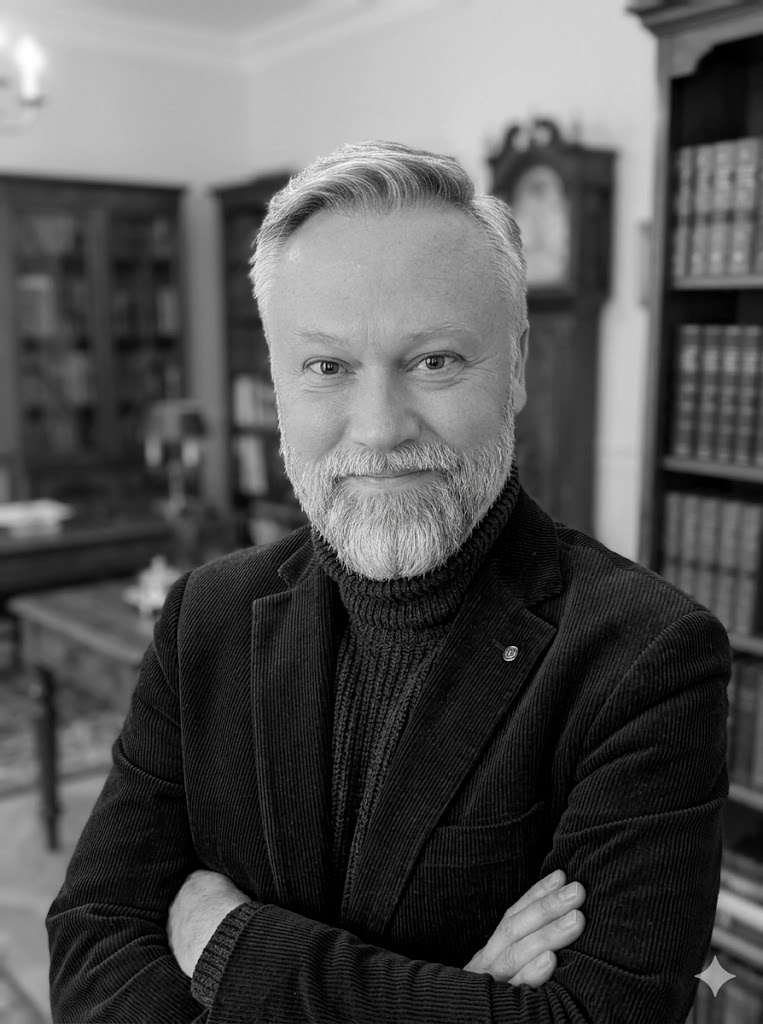
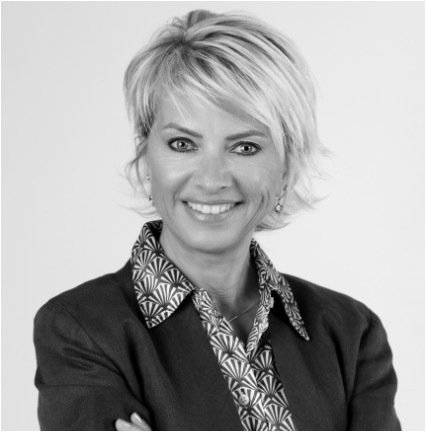
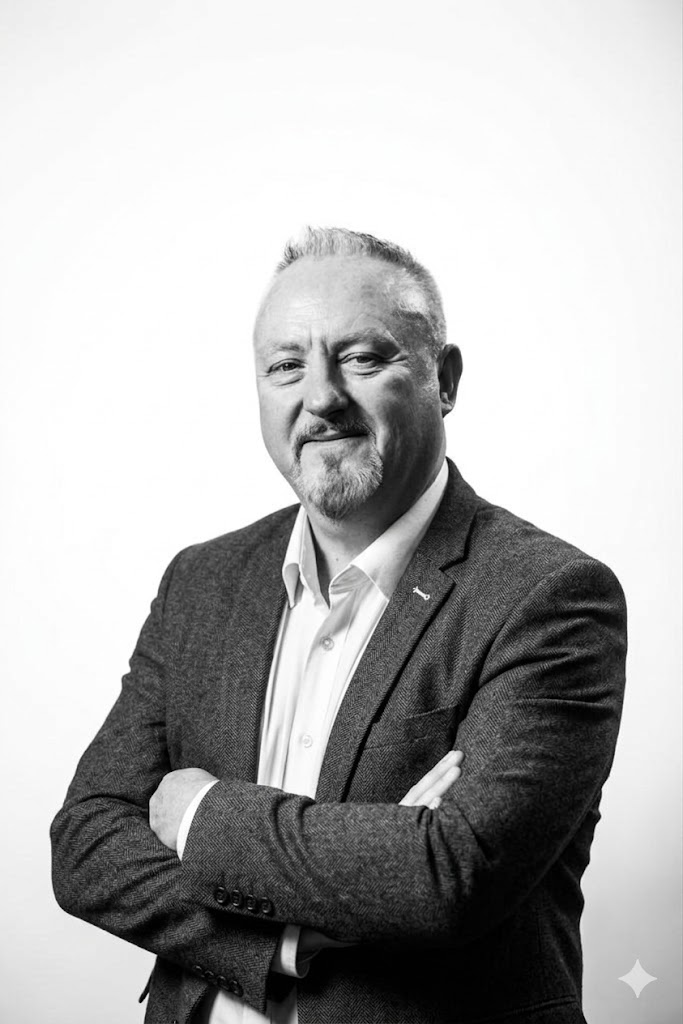
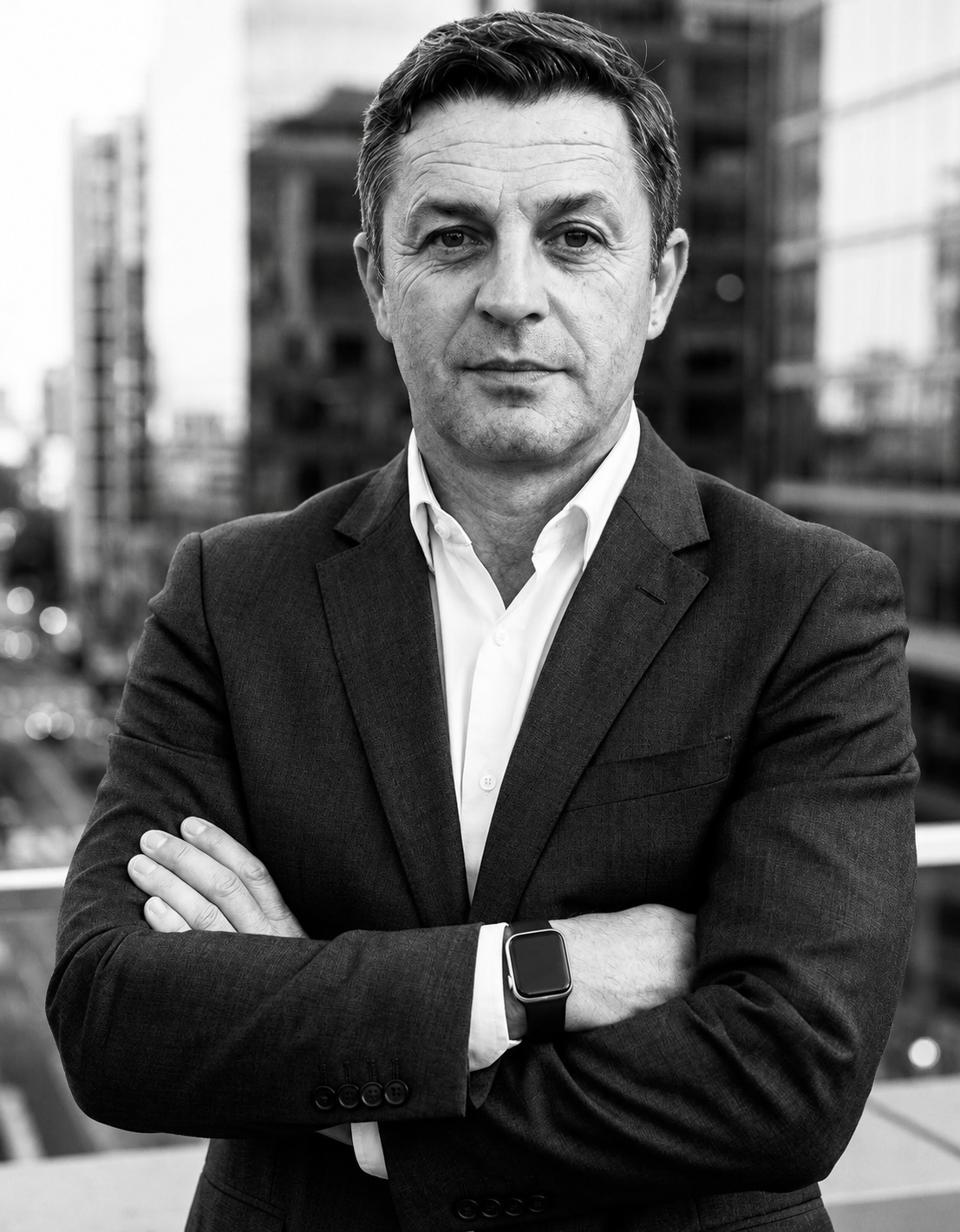
Seven specialists in safety, neuroscience, coaching, and training management. We deliver not by size, but by strength — sustained, trust-based relationships with every client.
Systems Thinking Safety Practitioner
Over three decades in complex maritime, renewable energy, and industrial environments. Chartered Safety & Health Practitioner since 2006, and Fellow of the Institute of Marine Engineering Science and Technology.
LinkedIn
Management Coach
Management consultant, business coach, and trainer for high-performing companies since 2011. Specialist in applying neuroscience insights to human error, safety, and performance.
LinkedIn
Training Manager
25 years delivering organisation-wide training interventions, bespoke training, and the human component of change management programmes for clients across the globe.
LinkedIn
Safety Behaviour Specialist
Over 20 years of international HSE management experience. Widely connected with international legislators, influencing policy and promoting best practice in safety standards.
LinkedIn
Management Coach
Executive mentor specialising in transformative Health & Safety leadership, Behavioural Safety, and organisational culture change. Proven track record aligning individual growth with operational goals.
LinkedIn
Certified Strategic Performance Advisor
Globally recognised HSE leader with 30+ years of executive experience across renewable energy, offshore wind, construction, and engineering.
LinkedIn
QHSE Manager
Skilled at creating and implementing training strategies that maximise safety and efficiency. Committed to reliable leadership and sustainable relationships at all levels.
LinkedInComprehensive insights on protecting your workforce for operational success.
Read NowStraight answers to the questions we hear most.
SELFTY combines the words SELF and SAFETY. It names the shift from compliance-driven safety — where rules and procedures are imposed from outside — to personal ownership, where each individual understands and manages their own risk behaviour.
Standard HSE programmes focus on equipment, procedures, and compliance checklists. These are necessary but insufficient: they don't change the underlying habits and perception patterns that cause most accidents.
SELFTY adds the human dimension. It uses neuroscience to address the root causes of human error — factors like fatigue, routine, multitasking, and emotional state — through self-awareness and adult learning, not box-ticking.
SELFTY is built for high-risk environments where human error has real consequences. The ConverSafe team brings direct experience from offshore and onshore renewable energy, maritime operations, construction, engineering, and industrial manufacturing.
The principles apply wherever people work under pressure, in routine-driven roles, or at the interface of human decisions and safety-critical outcomes.
No. SELFTY integrates without a dedicated management system, without additional reporting, and without formal compliance structures. It works through maturity-level-oriented leadership and adult learning — emerging from within the existing organisation rather than being bolted on top.
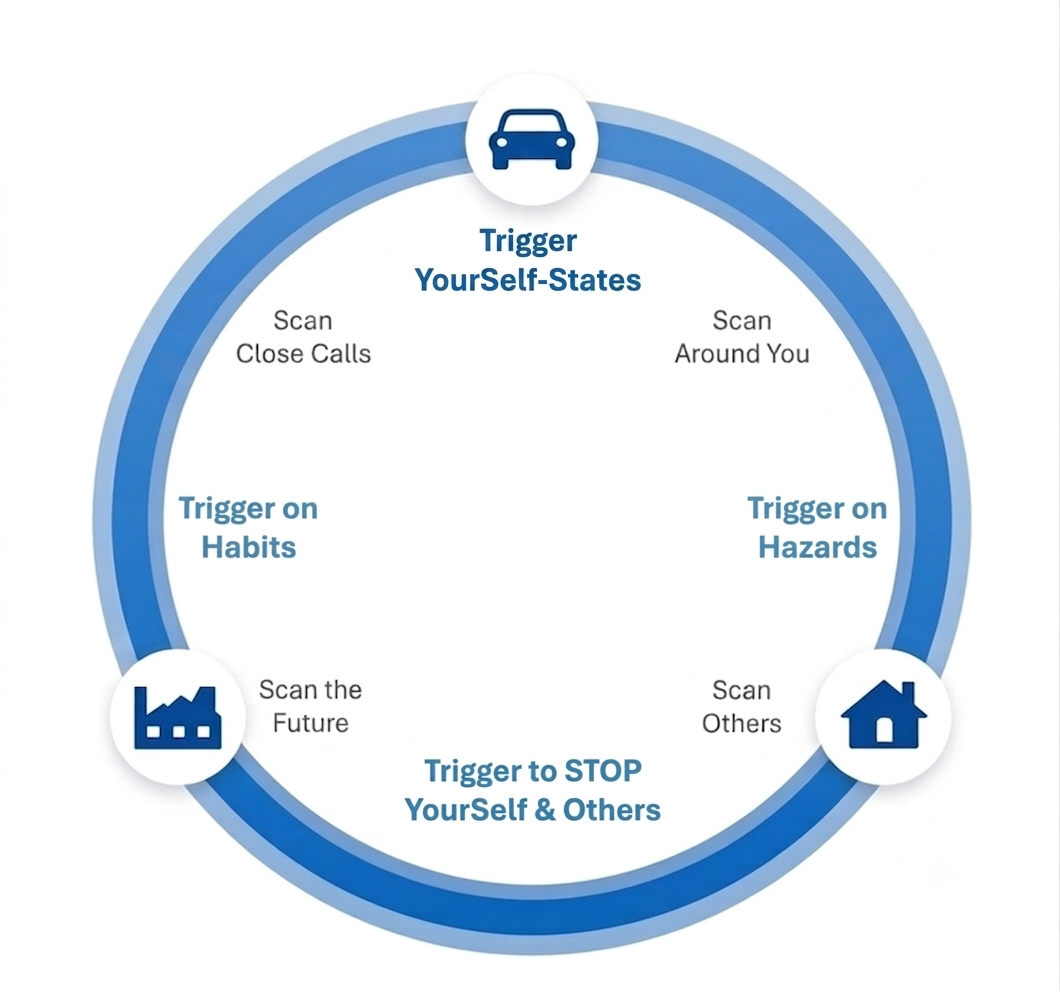
The programme develops SELFTY competencies through the ConverSafe Compass framework. Delivery uses storytelling and scenario-based learning to create emotional engagement and lasting habit change — not lecture-style training.
The approach works on two levels: individual maturity development (bottom-up) and leadership coalition support (top-down). Both are required for the programme to take hold and sustain.
For full details, download the white paper or contact the team.
SELFTY is a strategic investment, not a quick fix. Behavioural change that lasts a lifetime requires patient, sustainable development. That said, the approach is designed for efficiency — no parallel management system means no wasted overhead.
Early results typically appear in reduced near-misses, improved situational awareness, and stronger personal responsibility in daily task execution.
The fastest route is a direct message via the ConverSafe Partnership LinkedIn page. The team will respond within one business day to arrange an exploratory conversation — no commitment required.
SELFTY actively contributes to a safer, more sustainable world.

SDG 3.6 — Halve the number of global deaths and injuries from road traffic accidents.

SDG 8.2 — Higher economic productivity through innovation and labour-intensive sector development.
SDG 8.8 — Protect labour rights and promote safe, secure working environments for all workers.

SDG 11.2 — Access to safe, affordable, accessible, and sustainable transport systems for all.

SDG 13.1 — Strengthen resilience and adaptive capacity to climate-related hazards and natural disasters.

SDG 16.1 — Significantly reduce all forms of violence and related death rates everywhere.
"The content of this site has not been approved by the United Nations and does not reflect the views of the United Nations or its officials or Member States."
Ready to explore SELFTY for your organisation? Two ways to reach us:
This privacy notice describes how we collect and use personal information about you when you use our website, in accordance with the UK General Data Protection Regulation (UK GDPR) in the UK and the General Data Protection Regulation (GDPR) in the EU.
Download Policy PDF