What is SELFTY?
The word SELFTY is a combination of the words SELF and SAFETY.
A new word is needed to describe the paradigm shift in personal safety versus the responsibility to protect yourself and others around you.
Its systematic application in the occupational health and safety is obvious. However, this is far from the whole story: there is significant potential in strategic personnel development and performance management.
Executive Summary
At its core, it’s about people and behavioural changes that lead to a significant reduction in human error.
Human error is ubiquitous in life and causes a wide range of disruptions. In work processes, we observe, among other things, delays, corrections and rework, substitute services, disappointments leading to a loss of trust, deficiencies in communication and collaboration, lost orders, cancellations, and financial setbacks, often difficult to fully grasp in terms of their extent and impact.
While material damage can be defined, this is not so easy with health damage. Accidents and their consequences have an impact 24/7, both inside and outside the factory gates. Mistakes in the workplace with health consequences extend beyond the factory gates, and mistakes in private life with health consequences also affect the function a person performs within an employment relationship.
The SELFTY core message
The ConverSafe SELFTY approach has a 24/7 focus and impacts work life, road traffic, and private life.
SELFTY is a systemic and neuro-scientifically grounded approach that complements the existing technology dimension with the human dimension. In this latter dimension, rapid advances in neuroscience continuously reveal new potential.
In practice, SELFTY competencies lead to significantly safer behaviours through a better understanding of one’s own perception, processing, and reaction mechanisms. Factors that limit situational attention (hectic pace, multitasking, frustration, fatigue, routine, and the use of substances – including alcohol, medication, and drugs) are recognized and mitigated through self-organization and personal responsibility.
SELFTY thus reduces the overall number of human errors, and especially those that lead to accidents and injuries.
SELFTY fosters awareness of the potential and shortcomings of one’s own subconscious processes and utilizes methods to specifically adapt unsuitable habits (autopilot).
SELFTY is a bottom-up approach to developing individual maturity levels. However, SELFTY only succeeds if a supportive top-down approach from company management, within the framework of a coalition of leaders, simultaneously captures and amplifies the individual impulses of employees.
For your company
SELFTY represents the further development of its corporate culture. Its significance lies at the strategic level and fosters competencies within the workforce that require patient and sustainable development. Once acquired, these competencies shape behaviour for a lifetime. The company thus provides resources that are difficult for competitors to replicate. Employees will inevitably have a positive impact on themselves, their families, and other close people through their behaviour: fewer mistakes and greater self-reliance and safety.
SELFTY integration occurs without a dedicated management system, without formalities, without reporting, and without PowerPoint-heavy training sessions. SELFTY is an emergent development of individuals through maturity-level-oriented leadership.
SELFTY emphasizes adult-oriented learning processes and makes extensive use of storytelling to effect lasting behavioural change through emotional engagement and autonomous decision-making.
Key Benefits
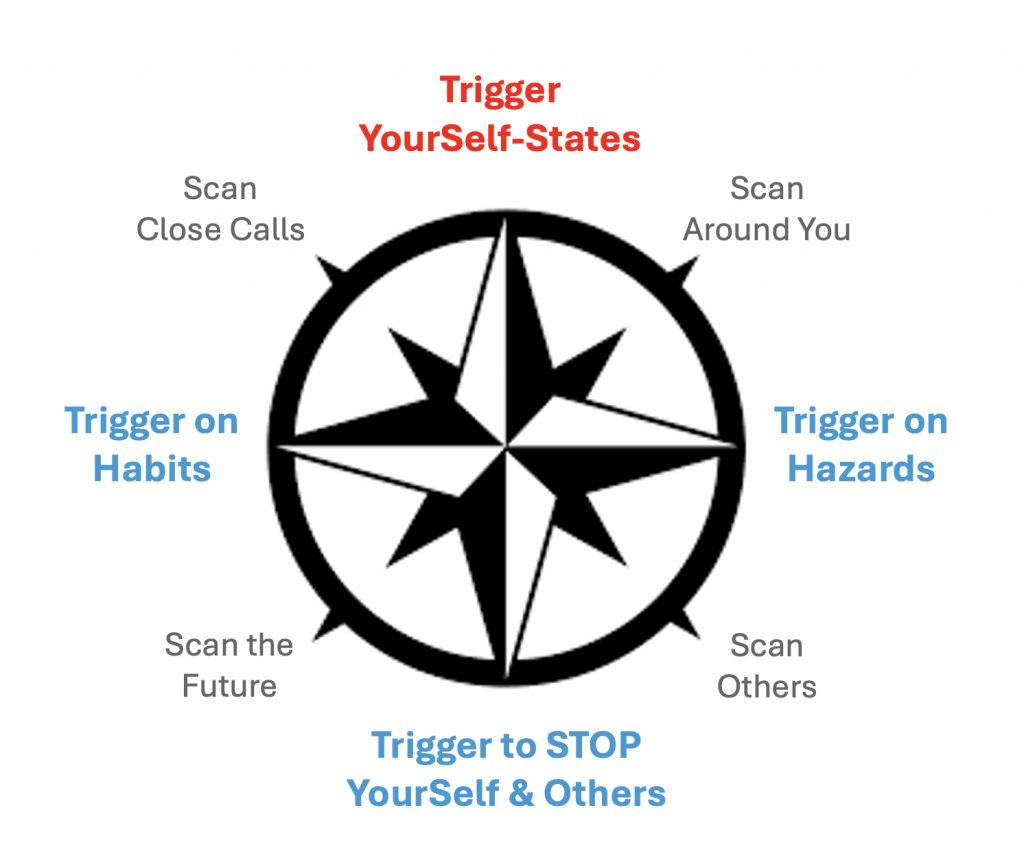
The SELFTY training offered by the ConverSafe Program teaches the competencies in the SELFTY compass to transform individual and group behaviour wherever you are, whatever you are doing.

Empowered Individual Responsibility
Self-motivation for safe behaviours without the paperwork.
Reduced Human Error
Conscious decision making and safer subconscious reactions to reduce workplace accidents and operational losses.
Operational Performance Boost
Greater personnel availability as less working days lost.
A Training Partnership of Professionally Experienced People
Our central shared values are sustainable behaviour transformation for life changing results. The key success factor is that we understand and practice training delivery not by size but by strength.

Robin Stowell
Systems Thinking Safety Practitioner
Robin is a systems thinking safety practitioner with over three decades in complex maritime, renewable energy and industrial environments. Chartered Safety & Health Practitioner (since 2006) and Chartered Marine Engineer (since 2000).

Jason Mcqueen
Training Manager
Jason is a senior training management practitioner with 25 years’ experience in delivering organisational wide training interventions, bespoke training and evaluation requirements and the human component of change management programmes for clients across the globe.

Jakob Nielsen
Safety Behaviour Specialist
Jakob is a specialist in behavioural safety with over 20 years of international experience in HSE management. Widely connected with international legislators, he influences policy and promotes best practice in safety standards.
Monica Baistrocchi
Management Coach
Monica is an executive mentor specializing in transformative Health & Safety leadership, Behavioural Safety and organizational culture change. A proven track record of delivering sustainable results that align with both organizational goals and individual growth.
Gustavo Alonso
QHSE Manager
Gustavo is a skilled professional adept in creating and implementing effective training strategies that maximize safety and efficiency, and is committed to providing reliable leadership and building sustainable relationships at all levels.
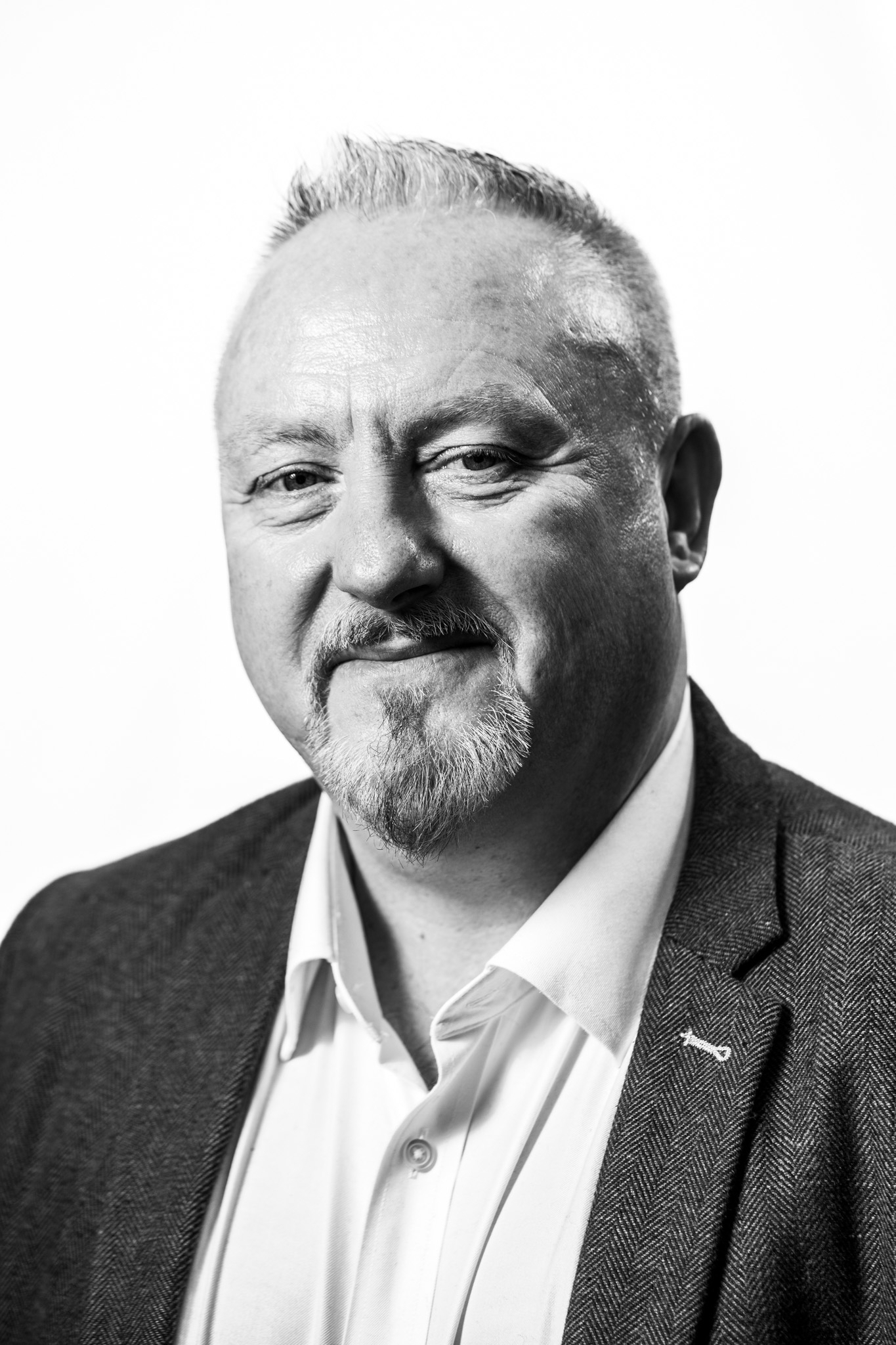
Marcus Peters
Certified Strategic Performance Advisor
Marcus is a globally recognised leader in health, safety, and environmental transformation with over 30 years of executive experience across renewable energy, offshore wind, construction, and engineering.
Download the SELFTY White Paper
Delve into comprehensive insights on protecting your workforce for operational success.
Supports the United Nations Sustainable Development Goals
SDG 3.6 By 2020, halve the number of global deaths and injuries from road traffic accidents
SDG 8.2 Achieve higher levels of economic productivity through diversification, technological upgrading and innovation, including through a focus on high-value added and labour-intensive sectors
SDG 8.8 Protect labour rights and promote safe and secure working environments for all workers
SDG 11.2 Provide access to safe, affordable, accessible and sustainable transport systems for all, improving road safety.
SDG 13.1 Strengthen resilience and adaptive capacity to climate-related hazards and natural disasters in all countries
SDG 16.1 Significantly reduce all forms of violence and related death rates everywhere.
“The content of this site has not been approved by the United Nations and does not reflect the views of the United Nations or its officials or Member States”
Contact
Please use LinkedIn direct messaging.
Privacy Policy
This privacy notice describes how we collect and use personal information about you when you use our website, in accordance with the UK General Data Protection Regulation (UK GDPR) in the UK and the General Data Protection Regulation (GDPR) in the EU.